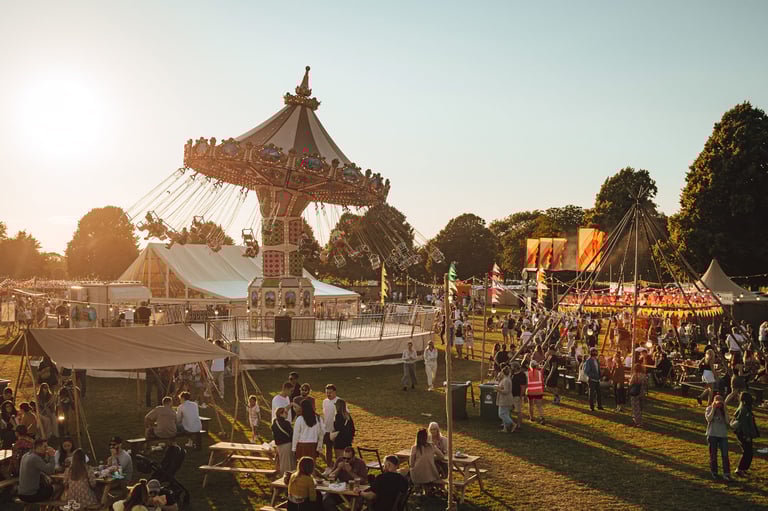
Festivals are a perfect storm for food safety: high footfall, tight service windows, variable weather, and lots of temporary infrastructure. Add in the reality that many traders are handling everything from raw meats to dairy to cooked ready-to-eat foods in a small footprint, and you have a setting where temperature control can either make your weekend – or end it.
Most food safety issues at events don’t come from exotic hazards. They come from predictable, preventable failures: food held in the “danger zone” for too long, chilled storage overloaded, doors opened constantly during service, or power arrangements that don’t match the kit on site. The good news is that with a solid plan and the right cold chain setup, festival catering can be both safe and efficient.
Why festivals challenge the cold chain
Food businesses know the basics: keep chilled foods cold, frozen foods frozen, and hot foods hot. But festivals introduce specific pressure points:
High ambient temperatures and microclimates
A hot day can turn a small prep area into an oven. Even when the forecast is mild, a marquee packed with cooking equipment and bodies creates its own heat. That warmth pushes refrigeration harder and shortens the time you can safely hold foods outside controlled storage.
Frequent access and “door discipline” problems
In a bricks-and-mortar kitchen, fridge doors open and close—still, the environment is stable. At festivals, you can have near-constant access as staff grab ingredients mid-service. Warm air floods in, and recovery time matters. Without good airflow and sensible organisation, internal temperatures drift upward.
Longer supply chains and less control
Deliveries may arrive early, late, or not at all. Holding stock safely for an extra 12–24 hours becomes a real possibility. That’s where temporary cold storage can stop a minor delay turning into a major waste (or worse).
Plan around food safety, not just capacity
Before you think about how many litres you need, think about what you’re storing and how you’ll use it. This is where HACCP-style thinking is genuinely practical rather than bureaucratic.
Map your menu to storage needs
Separate items by risk and handling:
- Raw proteins (higher risk, must avoid cross-contamination)
- Ready-to-eat chilled foods (must stay consistently chilled)
- Frozen products (need stable freezer temperatures to avoid partial thawing)
- Allergen-sensitive items (need segregation and clear labelling)
Once you’ve mapped categories, you can design a storage plan that reduces door opening, keeps raw and ready-to-eat items apart, and avoids stacking that blocks airflow.
Think in “service cycles”
When do you need access to what? If you’re pulling burger patties every five minutes, store them in a dedicated section close to the door. If you only need dessert items twice per day, they can sit deeper in the unit where temperatures are most stable. This is a small operational tweak that can meaningfully reduce temperature fluctuations.
Choosing the right temperature-controlled trailer setup
There’s a big difference between “cold storage exists” and “cold storage supports safe service.” For many events, temperature-controlled trailers provide a practical bridge between commercial standards and temporary sites—especially where on-board refrigeration in vans or small under-counter units won’t cope.
Around this point in planning, many caterers and event organisers start comparing options such as insulated boxes, walk-in cold rooms, and portable freezer and fridge trailers. The decision usually comes down to three factors: how stable the temperatures need to be, how often stock will be accessed, and how resilient the setup is if the site gets busy (or the weather turns).
Key specs that matter more than you think
Look beyond headline capacity and check:
- Temperature range and recovery time: Can the unit hold safe temperatures with frequent door openings?
- Airflow design: Even cooling prevents “warm pockets,” especially when fully loaded.
- Monitoring and display: A clear, reliable readout supports good in-service decisions.
- Power requirements: Know your amperage needs and confirm what the festival can supply.