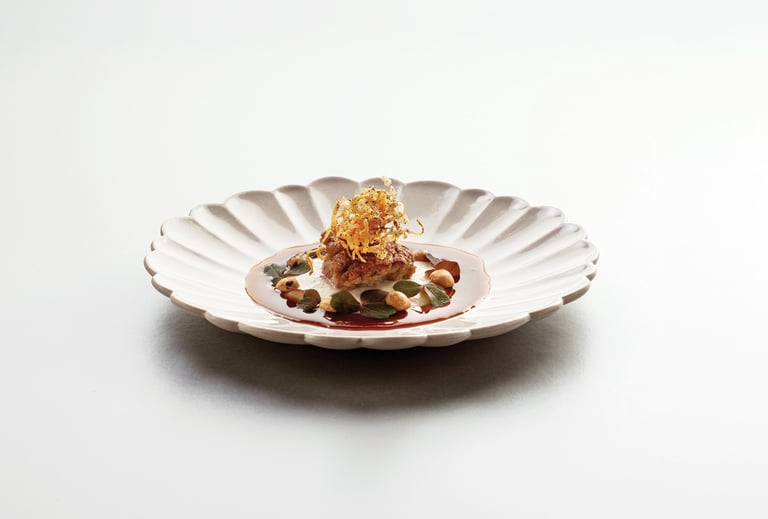
Scott Paton, head chef of Michelin-starred Àclèaf in Plymouth, shares his tips on how to use summer’s honey
Where to source
Thanks to the shift towards natural alternatives to sugar, honey and beekeeping are having something of a moment. Yet, while supermarket shelves are stocked with numerous types of the golden nectar, not all honey is created equal.
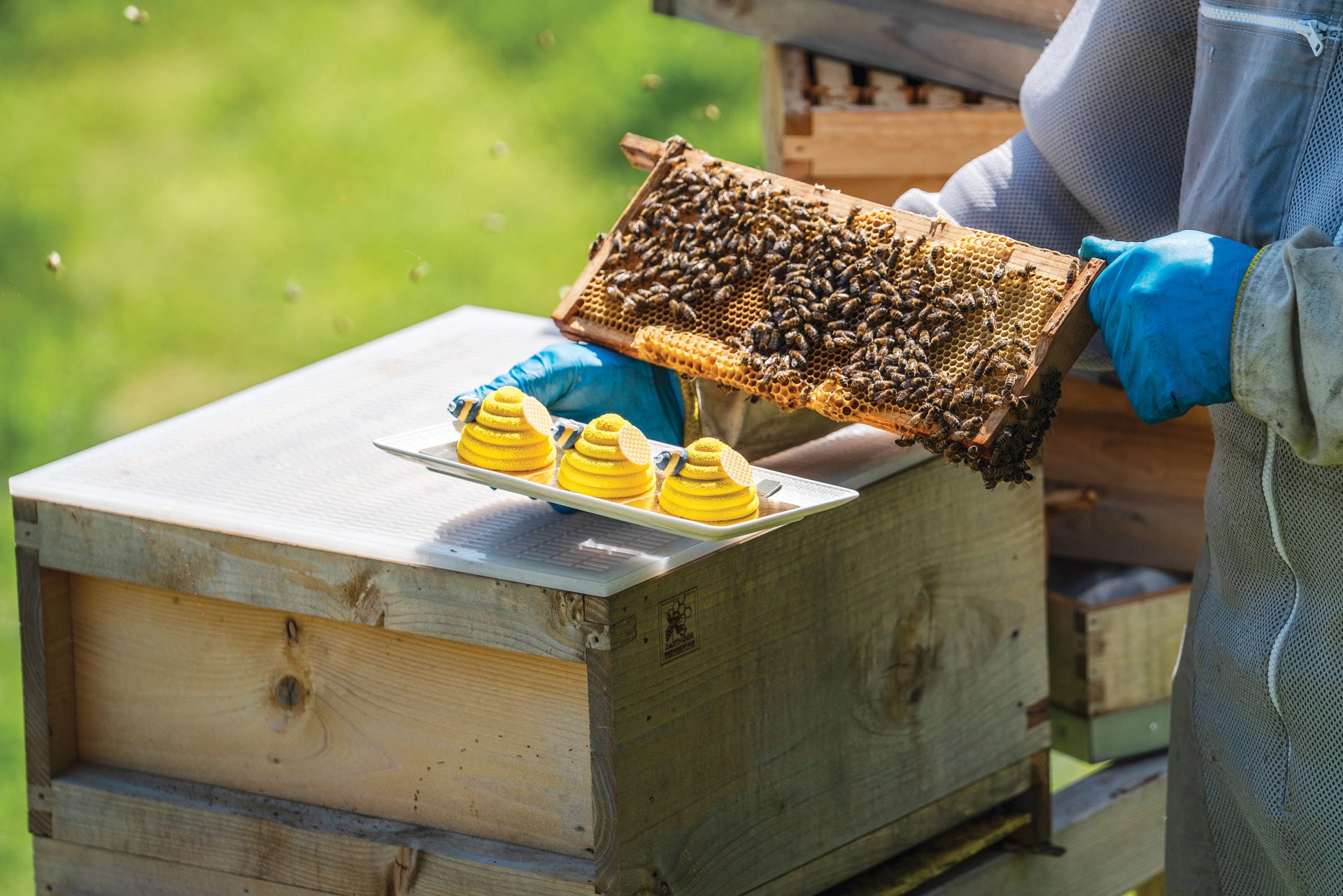
Scott says: ‘I’ve always been a fan of raw honey. We’re lucky here because we have beehives in the Boringdon Hall gardens and a beekeeper who looks after them. The honey is collected a few times a year and, depending on what’s in bloom, its flavour profile changes. Its characteristics are a representation of the kinds of pollen the bees are harvesting at any time.
‘If I buy honey from a supermarket, I always check the MGO score. If it’s scored, it means the honey will still contain health benefits and most likely have a more complex flavour. However, the best places to find good honey are farmers’ markets and farm shops. And if you can find out where the honey is from, it will give you a better idea of what flavours to expect.’
How to prep
Honey is a remarkably versatile ingredient and just as useful in savoury dishes as sweet. It can be whisked into dressings, used in cakes or incorporated into glossy glazes.
‘The savoury applications are wonderful,’ says Scott. ‘It’s phenomenal in honey-spiced duck breast, where the flavour of the honey permeates the meat. It also goes very well with pork and as a glaze for other meats and vegetables.
‘In most sweet recipes, you can substitute sugar with honey in a one-to-one ratio. For example, find a vanilla mousse recipe, skip the vanilla, swap the sugar for honey and let the honey’s subtle floral notes sing.’
How to serve
With its sweet fragrance, honey pairs beautifully with creamy textures and sharp citrus notes, plus it provides balance and depth.
Scott says: ‘I love to serve a spread: a big bowl of good quality greek yogurt, a bowl of stewed fruits, grilled figs and granola so everyone can muddle it themselves and drizzle on as much honey as they like.
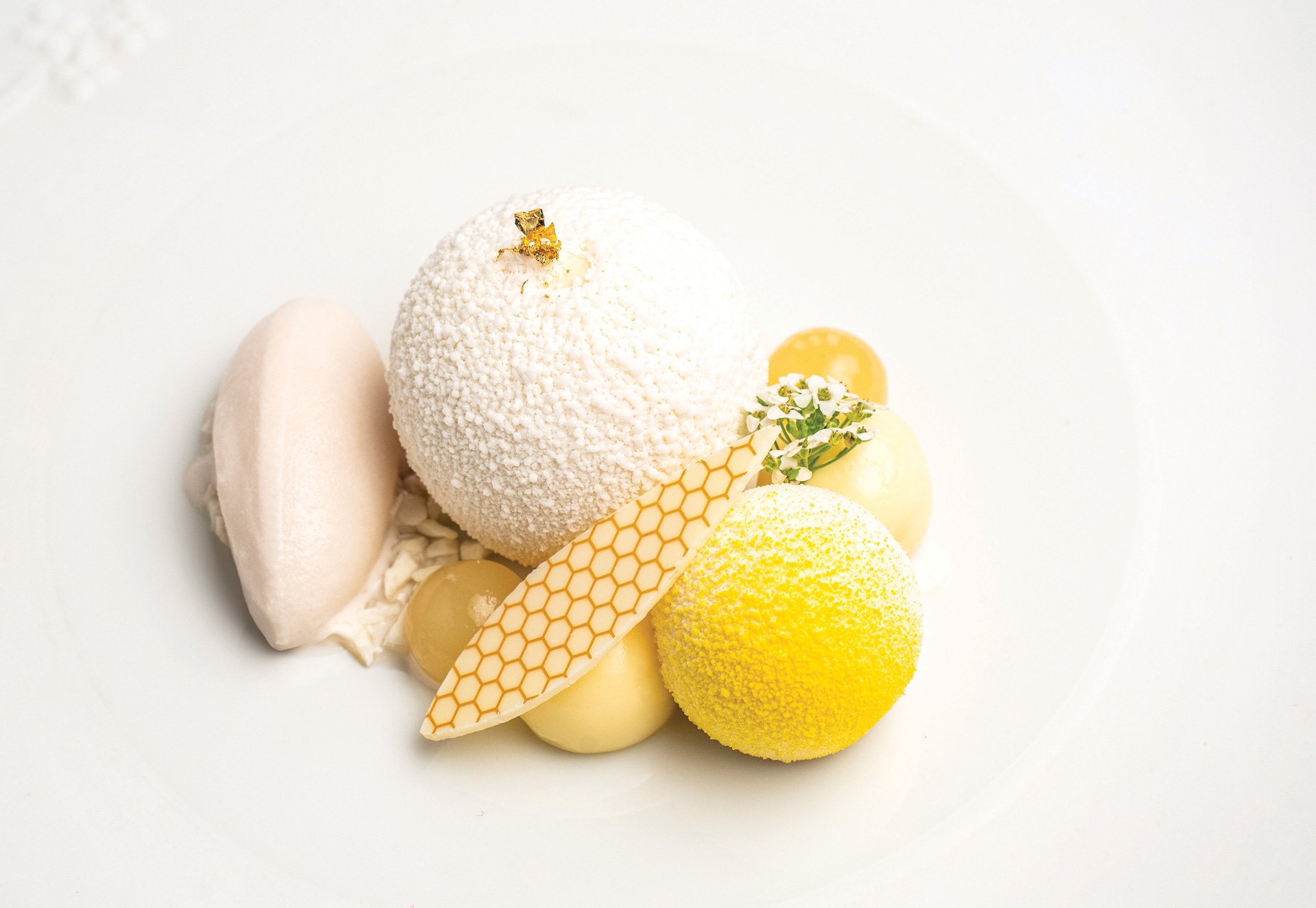
‘At Àclèaf, we have a dish which is our take on the classic milk and honey combination. It’s a crème fraîche mousse and a honey parfait served with a yuzu ice cream, which delivers jaw-tingling citrus notes. It’s super light and fresh, yet indulgent with the deep flavours of our honey.’
Wine pairing
When it comes to pairing honey-led desserts with wines, Scott recommends leaning into equally expressive sweetness.
‘Pellar Estate Icewine from Ontario in Canada is a Riesling made from grapes that naturally freeze on the vine. They’re picked and processed while frozen, resulting in a highly concentrated and sweet dessert wine,’ explains Scott. ‘With its notes of ripe orchard fruits, honey and caramel, balanced by a bright citrus finish, it’s a natural match for honey-based desserts.’
Enjoyed our tips on how to use summer’s honey? Read more of Scott’s ingredient expertise.