From fishing boat to plate, Abi Manning spends 24 hours exploring the people, places and seafood that have shaped Padstow’s most famous hospitality empire
When most people think of Padstow, they think of seafood.
More specifically, they think of Rick Stein.
For over five decades, the family business has helped transform this once-sleepy fishing town into one of Britain’s best-known culinary destinations. But during a recent trip visiting the Steins, I discovered that the real story extends far beyond the dining room.
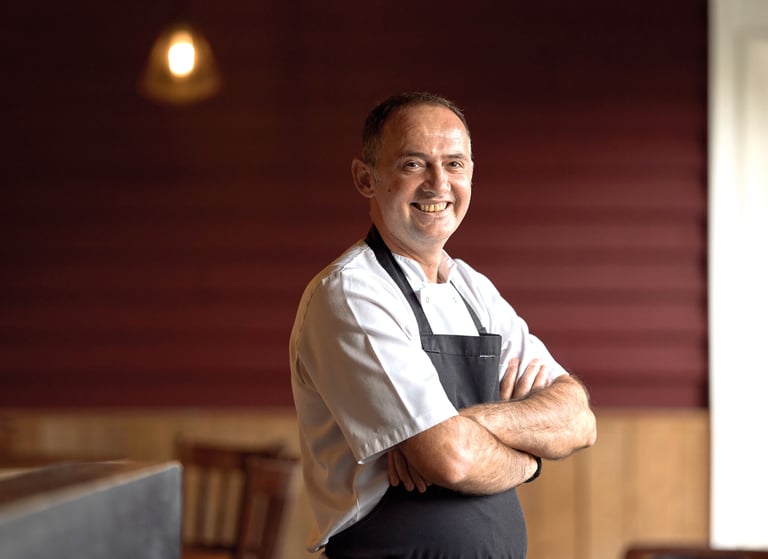
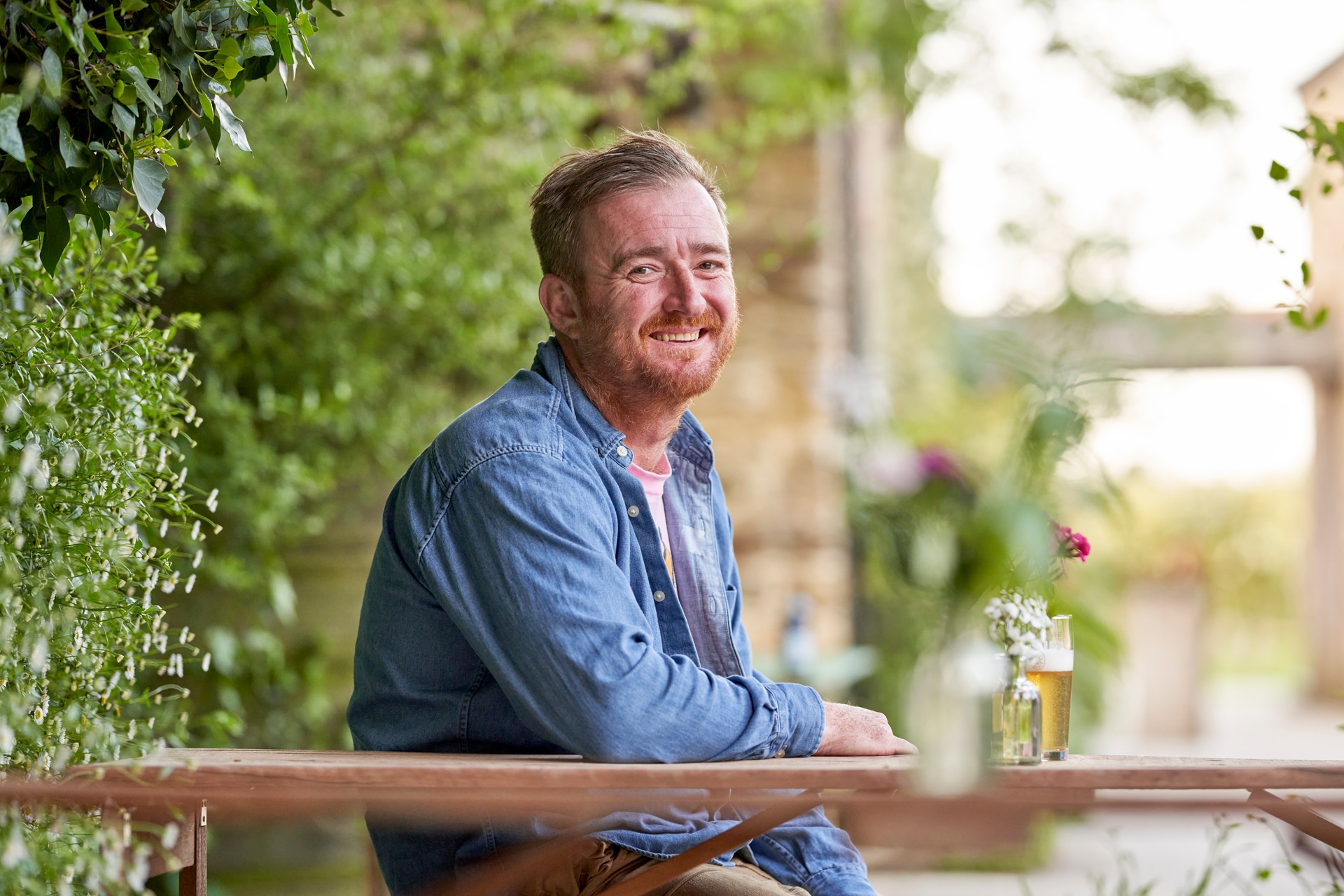
Over 24 hours, I found myself on a fishing boat with Jack Stein in the Camel Estuary; filleting fish and drinking wine with Charlie Stein at Rick Stein’s Cookery School; speaking with chefs and conservationists; and listening to Jill Stein reflect on more than half a century in hospitality.
What emerged wasn’t just a portrait of a restaurant group. It was a glimpse into the ecosystem that underpins Padstow’s food culture.
The sea
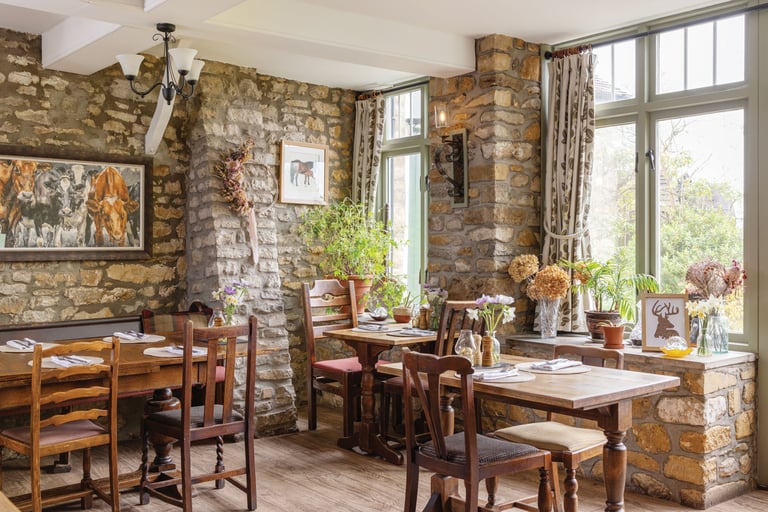
The trip began at The Seafood Restaurant, the flagship venue Rick and Jill Stein opened in 1975. From the restaurant’s windows, you can see the harbour that has long shaped the town and the menus.
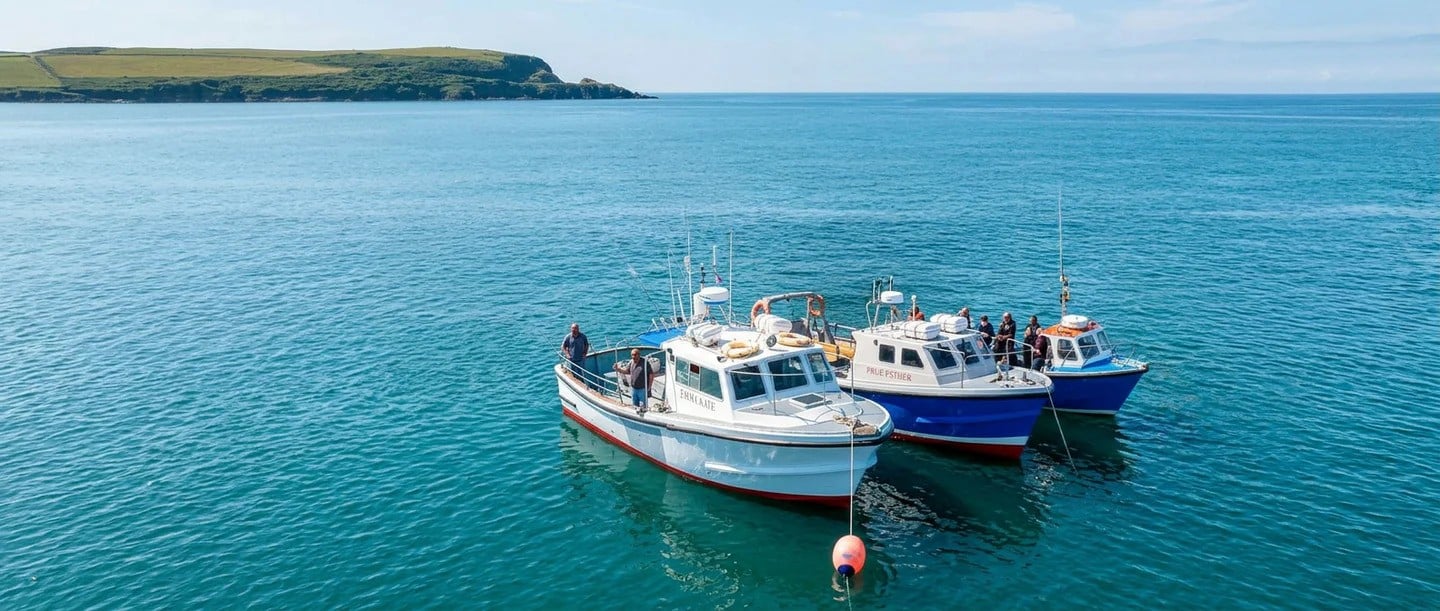
Before long, we were crossing the road to board the Emma Kate for a mackerel fishing trip hosted by Jack Stein.
Armed with feather rigs and a large dose of optimism, we spent the next couple of hours casting lines into the Camel Estuary, fuelled by a picnic from Stein’s deli. I didn’t manage to land a single fish, but neither did Jack so at least I was in good company. Fortunately, others proved more capable. Our communal bucket gradually filled with shimmering mackerel as we bobbed along on the estuary.
It’s a privilege experiencing seafood at its source. For many of us, fish arrives neatly filleted on ice or artfully plated in restaurants. Being on the water is a reminder that each one got there via a combination of skill, unpredictable weather, patience and hard work.
The Emma Kate eventually nudged onto the beach and we clambered onto the soft sand for the walk back to town.
The kitchen
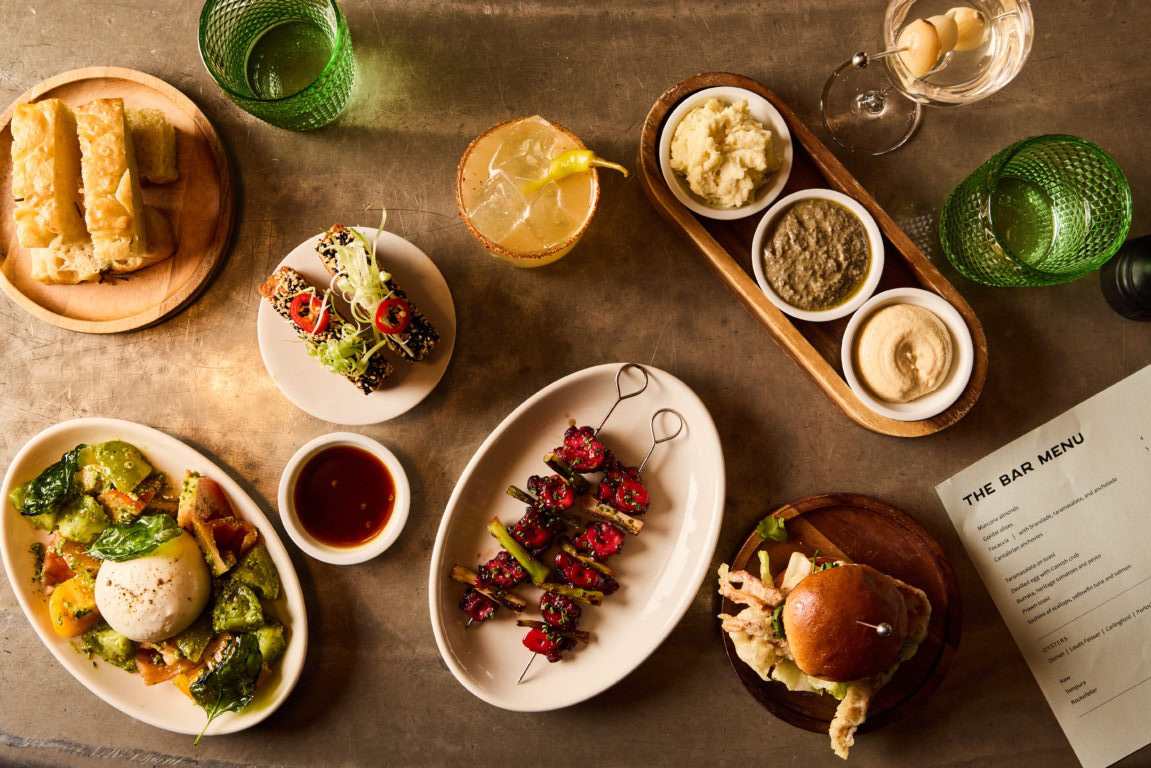
Back at The Seafood Restaurant, I got a taste of the restaurant’s newly launched bar menu. It offers a more casual way to experience the restaurant and can be enjoyed in the conservatory, main restaurant, or from the excellent vantage point of the striking zinc bar – the focal point of the restaurant and home to the raw fish preparation counter before the pandemic.
Small plates included oysters served three ways, taramasalata on toast, mussels, Coombeshead Farm sourdough, and octopus skewers, alongside cocktails such as a whip-sharp clarified piña colada and refreshing Hugo Spritz.
The bar menu is less reinvention and more evolution: an opportunity to enjoy the restaurant without committing to a full à la carte meal – perfect for off-the-cuff dining and casual catch-ups.
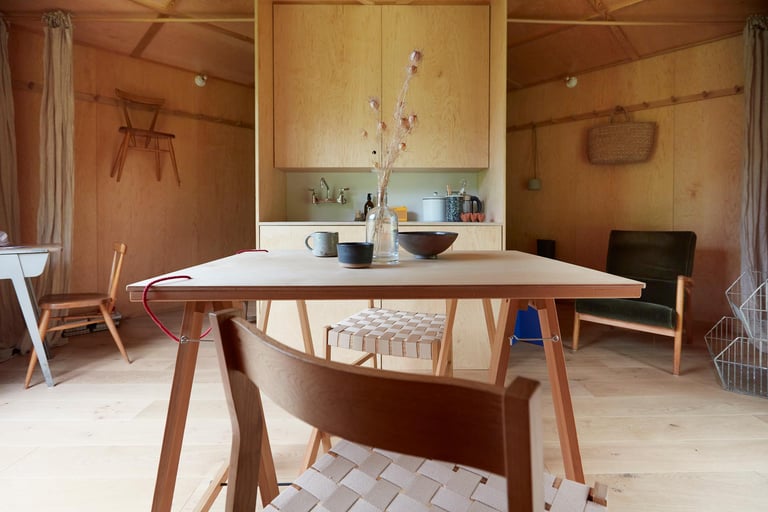
After checking into St Petroc’s Bistro, one of Padstow’s oldest buildings and a charming maze of characterful rooms and winding corridors, we headed to Rick Stein’s Cookery School, which proved to be one of the most satisfying steps in the journey.
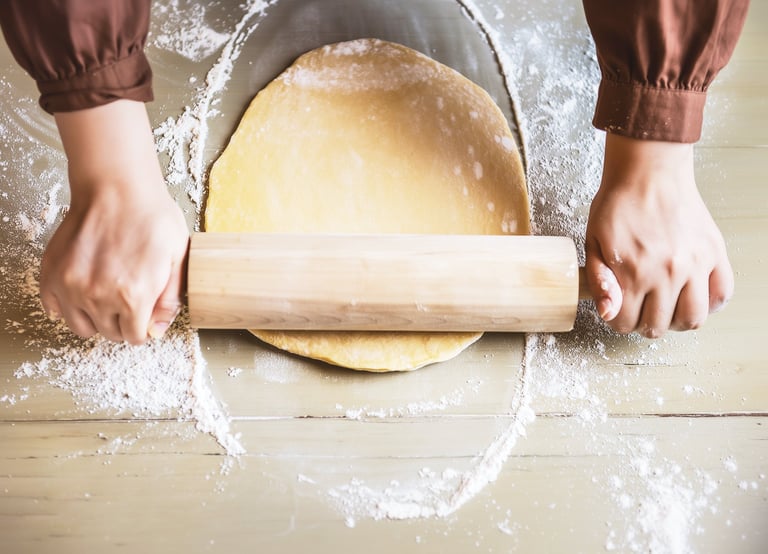
Following a nibble on some thai fishcakes paired with a Riesling by Charlie Stein, Jack Stein and cookery school manager Nick Evans guided us through preparing a Moroccan fish tagine.
I am not someone who routinely fillets fish, and it was surprisingly satisfying to learn the process after spending the morning on the boat. Despite being a rare activity for me, it didn’t feel strange – more like we were writing another chapter of the story.
Throughout the afternoon, Jack shared anecdotes about his career and the network of suppliers who help shape the menus. One story centred on local grower Ross Geach of Padstow Kitchen Garden and a year in which a surplus crop meant cucumbers seemed to find their way into almost every dish. It was a revealing anecdote. The restaurants aren’t operating in isolation; they are in constant conversation with the people producing ingredients around them.
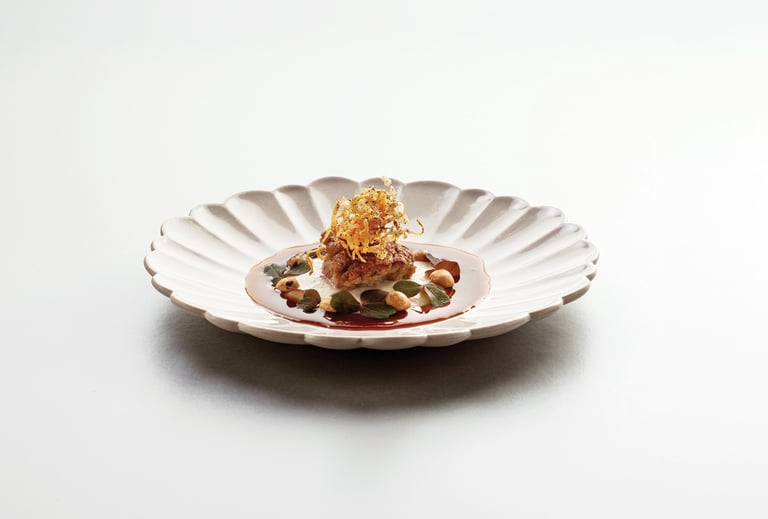
After cooking, we sat down to eat our tagines with a Greek wine pairing by Charlie Stein, before chef Caley Briddick presented her striking Black Forest Floor dessert, featuring hazelnut financier, cherries, dark chocolate, meadowsweet and torched meringue.
The responsibility
The following morning began with a suitably fishy kedgeree breakfast at The Seafood Restaurant and a conversation with head chef Pete Murt before a visit to The National Lobster Hatchery.
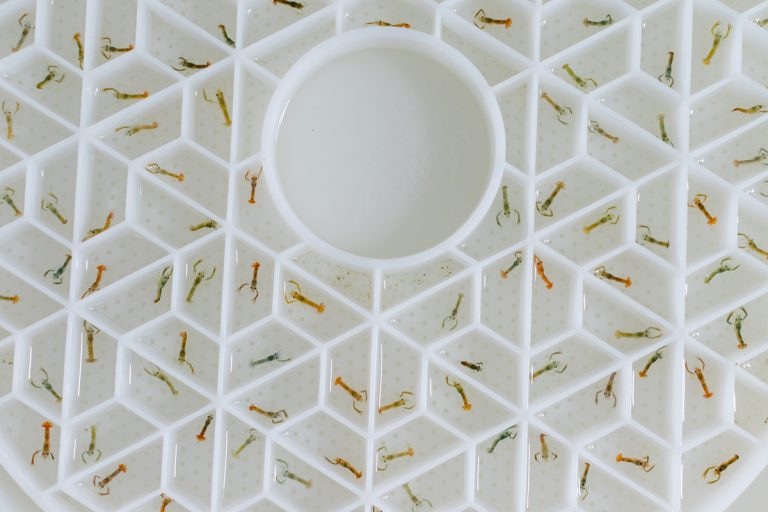
Situated a whelk’s throw across the harbour from the restaurant, the charity exists to protect the future of one of Britain’s most valuable seafood species.
The science is compelling. A female lobster can carry around 20,000 eggs, yet only one of those is expected to survive naturally in the wild. Through careful intervention, the hatchery dramatically improves those odds by nurturing then releasing juvenile lobsters back into the sea at about six weeks old, where they sink to the sea bed where it’s safer from predators.
The organisation currently releases tens of thousands of juvenile lobsters annually and hopes to eventually release one million each year. It is also beginning similar work with brown crab populations.
What struck me most was not the science itself but the collaboration. The hatchery works closely with fishermen, restaurants and local businesses, all of whom recognise that the future of seafood depends upon collective responsibility. It was another reminder that Padstow’s success rests on far more than hospitality; it depends upon stewardship.
The same sense of responsibility surfaced elsewhere on the trip.
One initiative that caught my attention was Forgotten Fish Fridays, a campaign designed to encourage diners to look beyond familiar species such as cod and haddock. Throughout the summer, the restaurants are championing lesser-known fish including coley, pollack, whiting and pouting, helping to diversify demand while supporting British fishing communities through donations to the Fishermen’s Mission.
It’s a deceptively simple idea but an important one. Sustainability isn’t only about protecting stocks; it’s also about changing habits. If diners embrace a wider variety of species, pressure on the most popular fish can be reduced while creating opportunities for fishermen landing abundant but often overlooked catches.
Combined with the work of organisations such as the National Lobster Hatchery, it reinforced a recurring theme: the future of seafood depends on collaboration. Restaurants, fishermen, conservationists and consumers all have a role to play.
The legacy
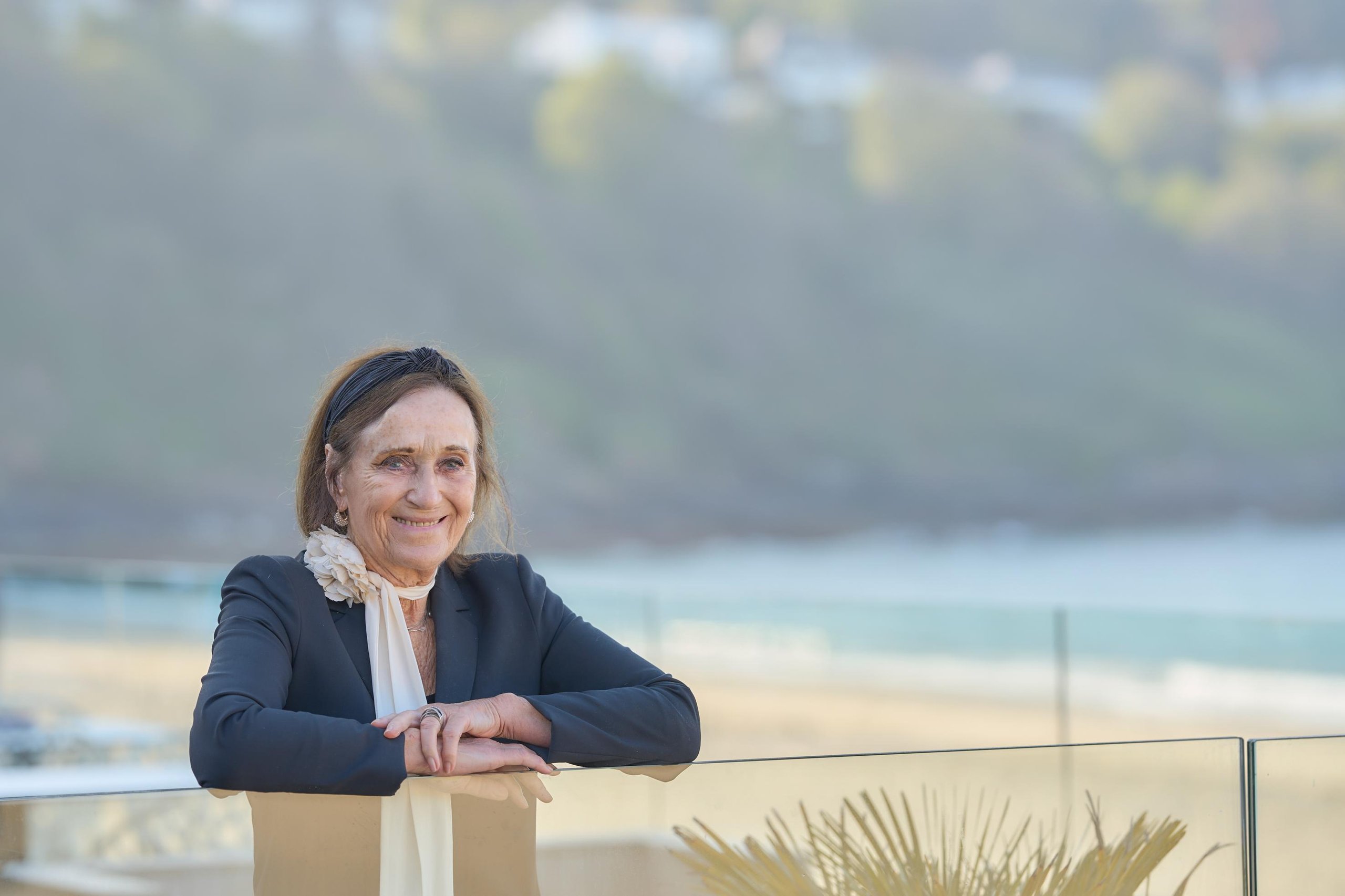
The trip concluded with lunch at The Seafood Restaurant hosted by Jill Stein.
Warm, gracious and knowledgeable, she shared stories from more than fifty years of building the family business. There were tales of antiques markets, the restaurant’s evolving art collection, Rick’s DJing days and memories of Padstow before it became a household name among food lovers.
Lunch itself embodied the philosophy that has made The Seafood Restaurant such a success. My turbot hollandaise, served on the bone and cooked with precision, demonstrated the confidence that comes from knowing when not to interfere. A starter of Cornish octopus with pimentón picante and olive oil offered a similarly restrained approach with no unecessary flourishes: just impeccable seafood treated with respect.
More than restaurants
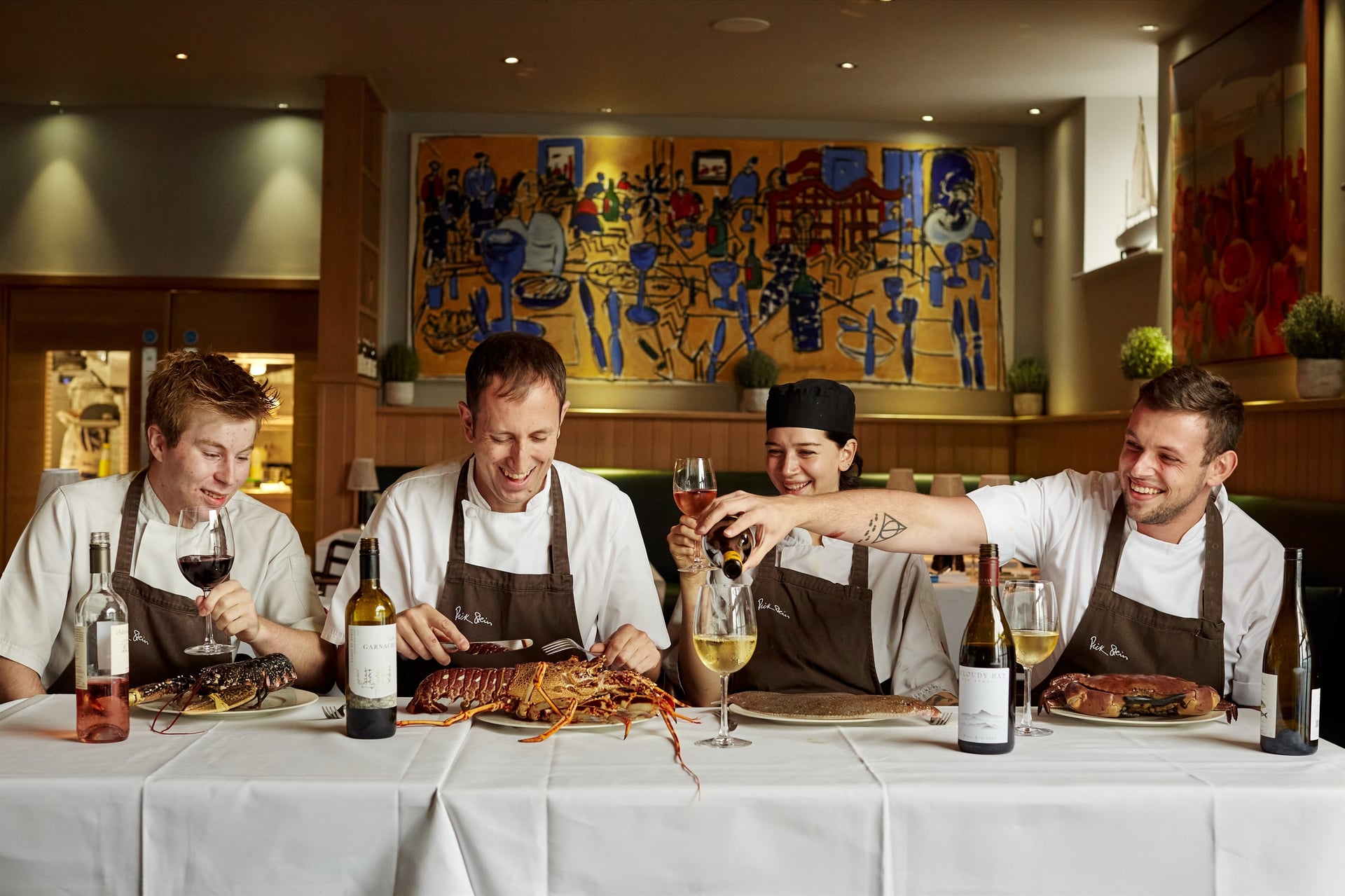
When people discuss the Stein family, conversations often focus on restaurants, TV programmes and celebrity.
Twenty-four hours in Padstow confirmed that that’s a vastly incomplete picture. The restaurants remain at the centre of that story, but they are only one part of a much larger whole. From Forgotten Fish Fridays to the National Lobster Hatchery, the most impressive thing wasn’t any single dish or experience, but the collective responsibility underpinning it all: fishermen bringing in the catch, suppliers growing produce, chefs teaching new skills, conservationists safeguarding future stocks, and hospitality professionals sharing decades of knowledge.
I arrived expecting a behind-the-scenes look at one of Britain’s most famous hospitality businesses. I left with a deeper appreciation for the people, partnerships and shared responsibility that sustain Padstow’s food culture … and a bucketful of admiration for what the Steins have helped build over the last fifty years.
Enjoyed learning about Rick Stein’s Padstow? Discover 5 reasons to visit Newlyn.